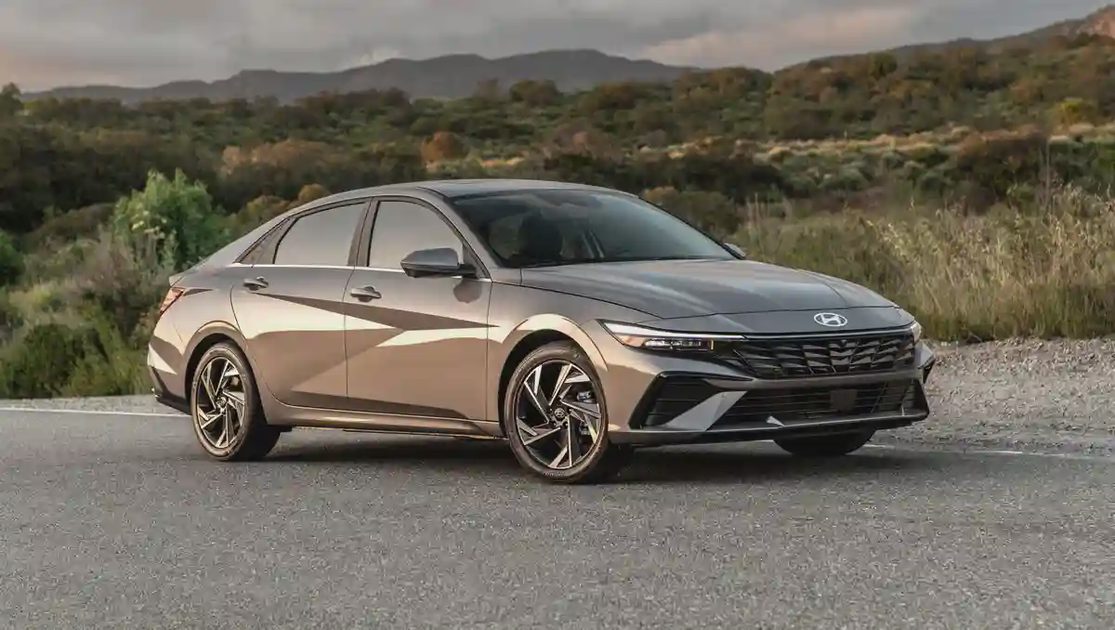
The compact sedan market may not dominate headlines like SUVs do, but it remains one of the smartest ways to buy a new car without breaking the bank. The 2026 Hyundai Elantra rolls into showrooms facing familiar rivals—the Toyota Corolla, Honda Civic, and Nissan Sentra. Its biggest weapons are bold styling and aggressive pricing, but does this formula still work in daily life?
Price and Features: Wallet-Friendly from the Start
Hyundai has priced the Elantra noticeably below its competitors. The base SE starts at just over $22,000, well below an entry-level Civic or Corolla. Moving up, the SEL adds key features like blind-spot monitoring, power driver's seat, and dual-zone automatic climate control for around $24,500. Our tested N Line version comes with a 1.6-liter turbocharged engine producing 201 horsepower, sport-tuned suspension, and distinctive exterior elements, starting at approximately $29,000.
Even the base model comes standard with wireless Apple CarPlay, Android Auto, and forward collision avoidance assist. You don't need to spend much on higher trims for essential Hyundai features. The powertrain warranty remains Hyundai's proud 10-year/100,000-mile coverage, a peace of mind that's hard for competitors in this class to match.
Performance and Comfort: Smooth Cruising First
Our test vehicle was the SEL version, equipped with the standard 2.0-liter four-cylinder engine producing 147 horsepower. Paired with a continuously variable transmission, the driving experience prioritizes frugality over excitement. Acceleration is adequate in the city, and the CVT simulates shift steps when you floor it, reducing the rubber-band monotony common in this segment.
For a car at this price point, highway cruising is quiet and stable. The suspension handles bumps quite well, though sharper impacts still make their way into the cabin. Front seats provide decent support, making long commutes acceptable. Note that passengers over six feet tall will find rear headroom cramped due to the sloping roofline—a styling compromise worth considering.
Fuel economy is a highlight. The 2.0-liter engine has an EPA-estimated combined rating of 33 mpg. During our week of mixed driving conditions, we consistently achieved around 35 mpg, exceeding expectations. For budget-conscious owners, every extra mile means real savings at the pump.
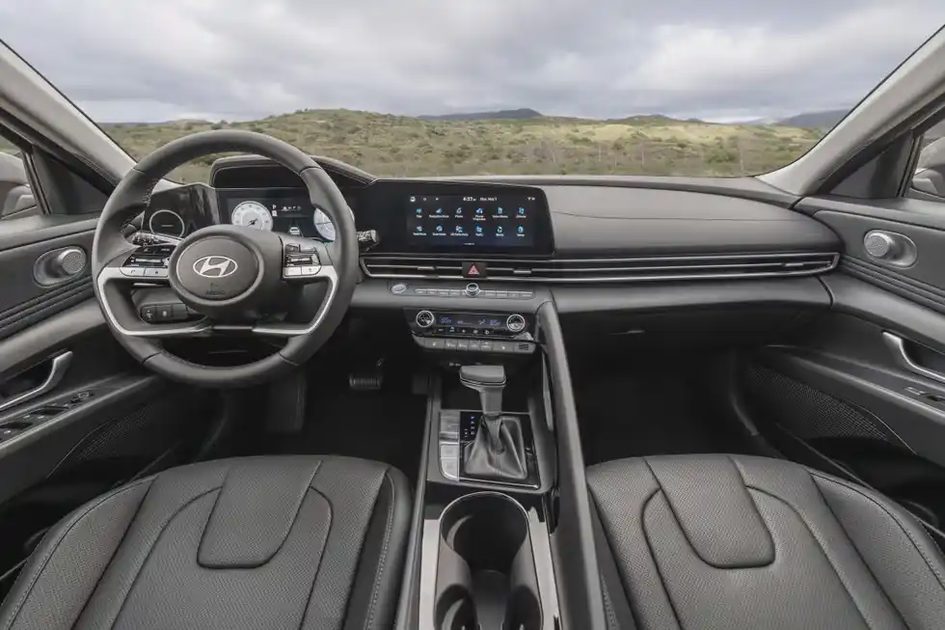
Perfect for Budget-Conscious Buyers
If your top priority is getting more value for your money, the Elantra makes a strong case for itself. Lower purchase price, excellent fuel economy, and extended warranty all reduce both upfront and ongoing costs. However, the cost-cutting is evident in some areas. Some interior plastics feel hard and hollow, and tire noise on coarse pavement is louder than in the Civic or Mazda3. These aren't deal-breakers, but they're compromises necessary to keep the starting price down.
If you frequently carry rear passengers or want the quietest cabin in the class, you might need to spend more elsewhere. But as a daily commuter, college student, or anyone who simply needs reliable, affordable transportation with a full suite of tech features, the Elantra checks nearly every box.
Is It Worth Buying?
The 2026 Hyundai Elantra doesn't try to be more luxurious than the Mazda3 or sportier than the Honda Civic. Instead, it goes straight to the heart of the value equation: low purchase cost, low operating cost, and a long list of features that make daily driving more convenient. The compromises it makes—some interior materials, slightly higher highway noise—are unlikely to bother its target buyers. For anyone looking to minimize transportation costs without sacrificing modern safety and connectivity features, the Elantra remains a smart, honest purchase choice.

No signals yet — transmit the first.