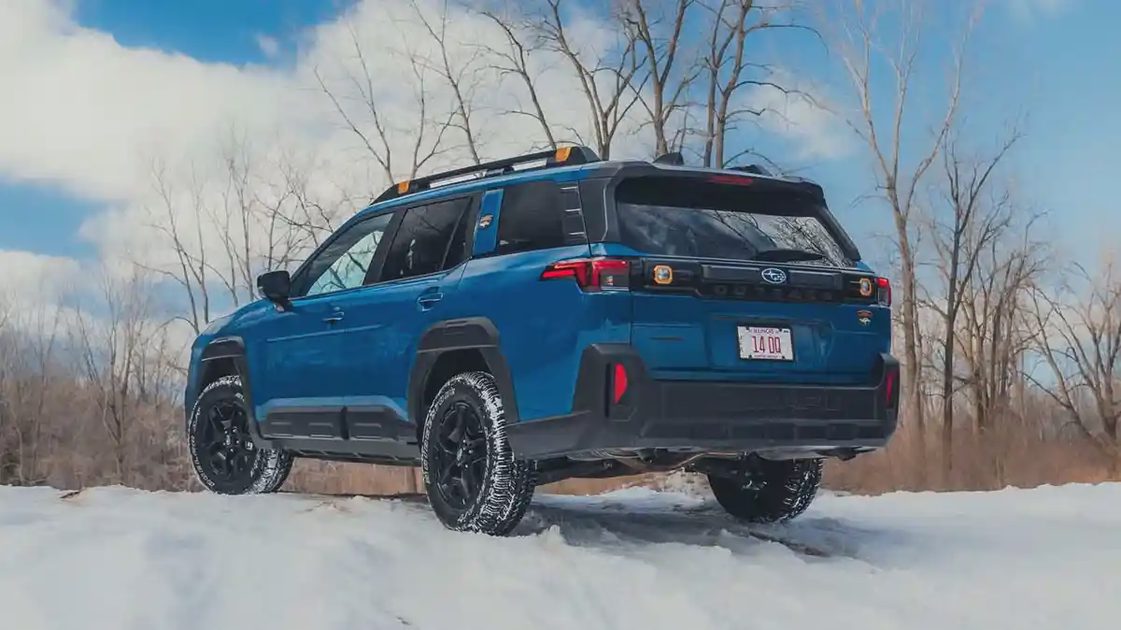
The Subaru Outback occupies a strange and wonderful space in the car world. It isn’t quite an SUV, and it’s more rugged than any traditional wagon. For drivers who want genuine off-pavement ability without giving up on-road comfort, the 2026 Outback makes a compelling pitch. But with so many capable compact SUVs now available, does this lifted wagon still make sense?
Capability and Space: Ready for Dirt and Dogs
Every Outback comes standard with Subaru’s symmetrical all-wheel drive and 8.7 inches of ground clearance. That’s more than many compact SUVs. On loose gravel, muddy trails, and snowy roads, the Outback inspires confidence without the bulk of a body-on-frame truck. The X-Mode system optimizes throttle and braking for slippery conditions and works well on steep descents.
Cargo space is another Outback stronghold. With the rear seats up, it offers 32.6 cubic feet of space. Fold them flat, and that expands to 75.6 cubic feet—rivaling many midsize SUVs. The roof rails with integrated crossbars are a functional touch that makes mounting kayaks, cargo boxes, or bikes a straightforward affair. The wide-opening rear doors ease child seat installation, and the durable upholstery options handle muddy paws better than premium leather.
Family and Road Trip Comfort
On pavement, the 2026 Outback behaves more like a comfortable sedan than a rough-and-tumble off-roader. The suspension absorbs bumps with a long-travel softness that irons out broken pavement. The steering is light and low-effort, making long highway stints less tiring. The cabin stays quiet at speed, with less wind noise than you might expect from a vehicle with such tall glass.
Subaru’s optional turbocharged 2.4-liter engine, producing 260 horsepower, transforms the Outback’s personality. It provides effortless passing power and confident merging, especially when fully loaded. The standard 2.5-liter engine is adequate but can feel strained climbing mountain grades with passengers and cargo aboard.
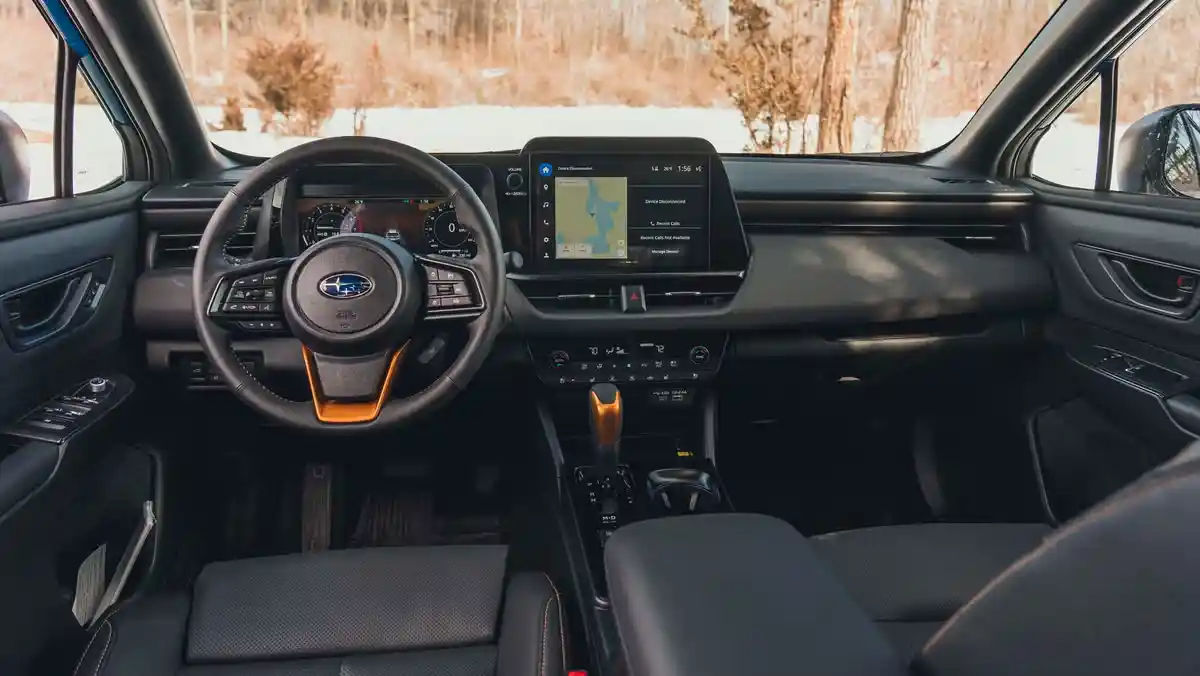
Reliability and Ownership Costs
Subaru’s reputation for reliability remains strong, though not flawless. The Outback benefits from a mature platform and proven engine options. RepairPal rates it above average for dependability, and annual maintenance costs are reasonable. The CVT, now refined over several generations, is engineered to handle mixed-duty use. However, turbocharged models require premium fuel for maximum performance, which increases ongoing costs.
Fuel economy for the base 2.5-liter engine stands at 26 mpg city and 32 mpg highway. The turbo drops those figures to 22 mpg city and 29 mpg highway. These numbers trail hybrid competitors like the Toyota RAV4 Hybrid, but they align with other all-wheel-drive wagons and SUVs with similar capability.
Who Is the 2026 Outback For?
The Outback suits buyers who genuinely blend outdoor recreation with daily commuting. It’s ideal for couples or families who regularly head to trailheads, ski resorts, or campgrounds but don’t want the fuel bills or parking challenges of a large SUV. Empty nesters with active lifestyles also gravitate toward it.
Skip the Outback if you rarely leave pavement, need third-row seating, or prioritize maximum fuel efficiency. But for the buyer who wants one vehicle that can handle weekday errands and weekend mud without compromise, the 2026 Subaru Outback remains in a class of one. It’s not the ultimate off-roader, and it’s not the plushest cruiser, but it straddles those worlds better than anything else for the price.