
You don't need to be a mechanic to keep your car running well. You just need a simple rhythm of checks. Most owner's manuals list maintenance intervals in miles, but time-based reminders are easier to follow for everyday drivers. Here is a practical schedule organized around your calendar, not just your odometer.
Your Basic Maintenance Calendar
Use the table below as a quick reference for what to check and when. These intervals work for most modern gasoline vehicles. If your car is older, a hybrid, or used for towing, adjust based on your owner's manual.
Time Frame | What to Check or Do | Why It Matters |
|---|---|---|
Every month | Oil level, tire pressure, lights, windshield washer fluid | Catches small issues before they become big bills |
Every 6 months or 6,000 miles | Oil and filter change, tire rotation, brake pad visual check, battery terminals for corrosion | Keeps wear even and fluid fresh |
Every year or 12,000 miles | Cabin air filter, engine air filter, wiper blades, belts and hoses inspection, coolant level | Protects engine health, air quality, and visibility |
Every 2–3 years | Brake fluid flush, transmission fluid check, spark plugs (per manual) | Prevents expensive drivetrain damage |
Every 4–5 years | Battery replacement, coolant flush, timing belt if applicable | Avoids being stranded or facing engine damage |
Your owner's manual is the final authority, but this rhythm covers the basics for almost any non-luxury sedan, SUV, or truck.
Oil Changes: The Heartbeat of Your Engine
Oil lubricates, cools, and cleans your engine's internals. When oil gets old, it turns into sludge and stops doing its job. Most manufacturers now recommend an oil change every 5,000 to 7,500 miles with synthetic oil, or roughly every six months for average drivers. Many newer cars display an oil life percentage on the dash. If yours doesn't, set a twice-a-year phone reminder. Sticking to this interval is the single most important thing you can do for long-term engine health.
Tires: Your Only Contact With the Road
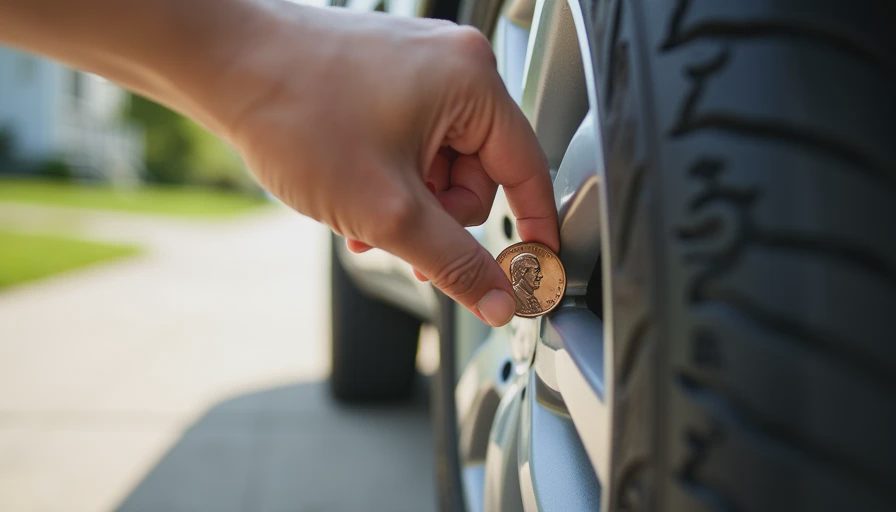
Check tire pressure once a month when the tires are cold. The correct pressure is on a sticker inside the driver's door jamb, not the tire sidewall. Rotating tires every 6,000 miles or with each oil change helps them wear evenly and last longer. Use the penny test to check tread depth: insert a penny with Lincoln's head upside down. If you can see the top of his head, your tread is worn to about 2/32 of an inch and it's time for new tires.
Brakes: Listen and Look
Brake pads don't wear out overnight, but ignoring their warning signs can turn what should be a $200 pad replacement into a $600 rotor repair. If you hear a sharp squealing sound when braking, it's likely the built-in wear indicator telling you the pads are getting thin. During tire rotations, ask the technician to measure brake pad thickness—most shops will do this for free or at little extra cost. If the pad thickness is below 3 millimeters, it's time to replace them.
Battery: Don’t Wait for a Dead Morning
Car batteries last approximately three to five years. Both extreme heat and cold shorten their lifespan. Every six months, take a few seconds for a quick visual check of the battery terminals for white or blue corrosion. If you see buildup, clean it with a wire brush and a baking soda solution. Many auto parts stores will test your battery for free, which is well worth doing once your battery enters its third year.
Following this maintenance schedule won't make you a mechanic, but it will make you a much more relaxed car owner. The goal is simple: catch small problems before they become big troubles and big bills. A little time spent under the hood each month rewards you with a car that starts reliably every morning and the peace of mind of safe driving on the road.



No signals yet — transmit the first.