
Modern cars use a color-coded system. A green or blue light means a system is active. A yellow or amber light signals a problem that needs attention soon. A red light means stop driving as soon as it’s safe and address the issue immediately. Knowing a few key symbols can save you from panic, costly repairs, or a dangerous breakdown.
Common Warning Lights and Their Meanings
Use this table to quickly identify the lights you are most likely to see and how to respond.
Warning Light | What It Looks Like | What It Means | Immediate Action |
|---|---|---|---|
Check Engine | Yellow engine block outline | Emissions, fuel, or ignition issue | Safe to drive if steady; seek diagnosis soon. If flashing, pull over and stop. |
Oil Pressure | Red oil can | Low oil pressure, serious risk | Stop immediately, turn off engine. Check oil level. |
Battery/Charging | Red battery shape | Charging system failure | Drive a short distance to a safe location; battery will drain soon. |
Brake System | Red “BRAKE” or circle with exclamation | Parking brake on, low fluid, or ABS fault | Check parking brake. If off and light stays, do not drive. |
Tire Pressure | Yellow tire cross-section with exclamation | One or more tires low | Check and inflate tires as soon as possible. |
Coolant Temperature | Red thermometer in liquid | Engine overheating | Pull over immediately, turn off engine. Wait for it to cool before checking. |
ABS | Yellow “ABS” letters | Anti-lock brake fault | Regular brakes still work, but stability functions may be off; get it checked. |
Which Lights Mean Stop Driving
Red warning lights are the ones that demand immediate attention. The oil pressure light means your engine could seize within minutes if you keep driving. The red brake light could indicate a complete hydraulic failure. The red coolant temperature warning means your engine is overheating, which can warp metal components in seconds. In all three cases, pull over when safe and turn off the engine. Continuing to drive can turn a simple fix into an engine replacement.
A flashing check engine light also falls into the pull-over category. A steady check engine light usually allows you to continue driving for a short distance to a repair shop. But a flashing check engine light means a severe misfire is dumping raw fuel into the catalytic converter, which can destroy an expensive emissions component quickly.
What to Do When a Light Comes On
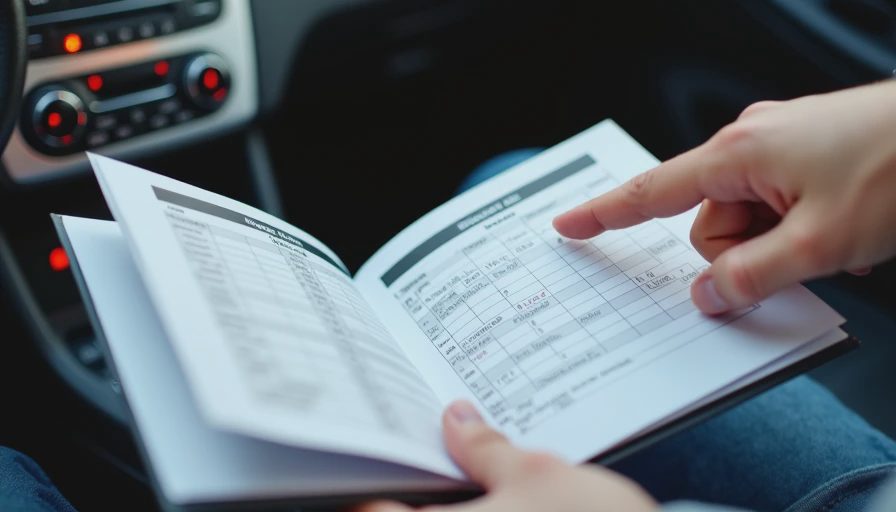
First, stay calm. Note the color and symbol. If it’s red, find a safe place to pull over and turn off the engine immediately. If it’s yellow, you can usually complete your trip and schedule a diagnosis. Use your owner’s manual to confirm the symbol’s exact meaning if you’re unsure. The manual’s dashboard diagram page is the most underrated tool in the car.
When to Head to a Repair Shop
For a steady yellow check engine light, schedule a diagnostic scan within a few days. Many auto parts stores will do this for free. For any red warning light that reappears after you’ve addressed an obvious cause like low oil or an engaged parking brake, have the car towed or carefully driven to the nearest shop. A false alarm is always cheaper than a blown engine.
Dashboard warning lights are not suggestions. They are the car’s built-in early warning system. Learning to read them correctly keeps you in control and helps you avoid the most expensive repairs.



No signals yet — transmit the first.