
What Factors Have the Greatest Impact on Car Insurance Costs?
You might be similar in age to your neighbors with comparable driving records, yet pay 30% more in premiums than they do. The reason usually lies in several factors that insurance companies value behind the scenes. Understanding these factors gives you the ability to lower your premiums before your next renewal.
How Vehicle Type Affects Insurance Costs
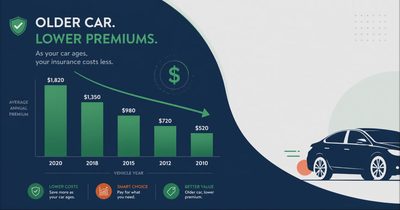
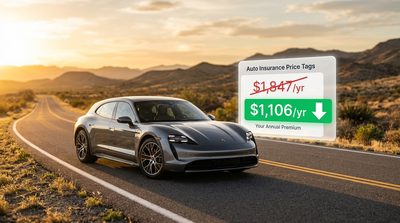
The car you drive is one of the single largest factors in your premium. Insurance companies don't just look at the sticker price; they also track claims data by make and model to determine which vehicles cost them the most in payouts. High-horsepower sports coupes almost always cost more to insure than mid-size sedans with good safety records. The same logic applies to luxury brands, which have more expensive repair bills and replacement parts.
Even within the same category, differences emerge. A compact SUV commonly used by families might cost less to insure than a pickup truck more frequently involved in serious collisions. The table below shows how different vehicle types affect annual premiums for a 35-year-old driver with no violations.
Vehicle Type | Estimated Annual Premium | Reason |
|---|---|---|
Compact Sedan (e.g., Honda Civic) | $1,200–1,400 | Low repair costs, high safety ratings |
Mid-size Family SUV (e.g., Toyota Highlander) | $1,300–1,500 | Good safety record, moderate repair costs |
Full-size Pickup (e.g., Ford F-150) | $1,400–1,700 | Heavier weight, greater damage in collisions |
Sports Coupe (e.g., Ford Mustang) | $1,800–2,300 | High horsepower, more aggressive driving data |
Luxury Sedan (e.g., BMW 3 Series) | $1,800–2,200 | Expensive parts, higher theft rates |
Location, Age, and Driving Record
Where you park your car each night matters significantly. Urban areas with dense traffic, high crime rates, and more uninsured drivers all push premiums higher. A driver in downtown Chicago might pay twice as much as a similar driver in rural Indiana. Even within the same city, different zip codes can make a difference.
Age is a factor you can't control, but it follows a predictable curve. Drivers under 25 pay the highest premiums due to statistical data showing more claims. After 25, premiums typically drop and remain relatively stable until possibly rising slightly again after 70.
Your driving record is the factor you have the most control over. One at-fault accident can increase your premiums by 30% to 50% for three to five years. Speeding tickets and DUIs have even more severe impacts. Maintaining a clean record long-term is the most reliable way to keep rates down.

How Deductibles and Coverage Limits Change Rates
Higher deductibles mean you pay more out of pocket after an accident, but can significantly lower monthly premiums. Raising your deductible from $500 to $1,000 typically reduces collision and comprehensive premiums by 15% to 30%. The prerequisite is ensuring you can afford that amount if something happens.
Coverage limits work in the opposite direction. State minimum liability is the cheapest option, but exposes you to enormous risk if you cause a serious accident. Many financial advisors recommend purchasing bodily injury liability of at least $100,000 per person and $300,000 per accident, plus matching property damage coverage. While this costs more upfront, it protects your future assets.
How to Reduce Car Insurance Expenses
Start by shopping around. Different insurance companies price risk differently, and loyalty rarely pays off. Get quotes from at least three companies every two years. Bundling car insurance with renters or homeowners insurance at the same company typically brings 10% to 20% discounts. Many insurers also offer small discounts to drivers who complete defensive driving courses, especially common for older drivers.
In most states, credit-based insurance scores also play a role. Paying bills on time and reducing credit card balances can quietly lower premiums over the long term. Finally, if you work from home or drive far fewer than the average 12,000 to 15,000 miles per year, remember to ask about low-mileage discounts.
Car insurance costs aren't set in stone. They result from dozens of small decisions—what car you drive, where you live, how you set your coverage, and what kind of driving record you maintain. Take control of the factors within your reach, and your next bill will show the difference.


No signals yet — transmit the first.