
The Hidden Costs of Car Ownership Most Owners Overlook
You may have budgeted for the monthly payment, even factored in gas and insurance. But when the first unexpected bill arrives, you realize there's a layer of expenses never mentioned at the dealership. These hidden costs can easily add thousands of dollars to your annual car budget. Here's what they are and how to prepare for them in advance.
Registration and Taxes Hit Immediately
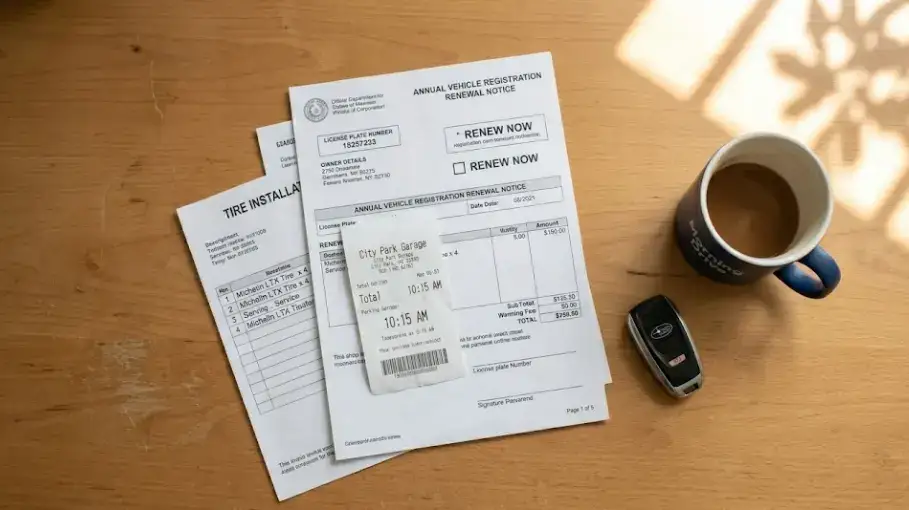
You owe sales tax the day you buy the car. Depending on your state, this ranges from a few hundred to several thousand dollars. Within weeks, you'll face title registration fees and license plate fees. And it doesn't end there. Most states charge annual registration renewal fees ranging from $50 to over $200, and some states even levy annual personal property taxes on your vehicle's assessed value. If you only budgeted for the negotiated car price, these immediate costs are enough to overwhelm you in the first month.
Parking Fees, Tolls, and the Cost of a Parking Space
Parking fees are an expense many buyers completely overlook. In urban areas, monthly garage rentals range from $150 to $400. Even in suburbs, street parking permits, airport parking during trips, or daily garage fees at work are unavoidable. Bridge and express lane tolls also add up, especially for those with regular commutes. Over a year, parking and tolls can quietly consume $1,000 or more of your transportation budget.
Tires, Brakes, and Accumulating Maintenance Costs
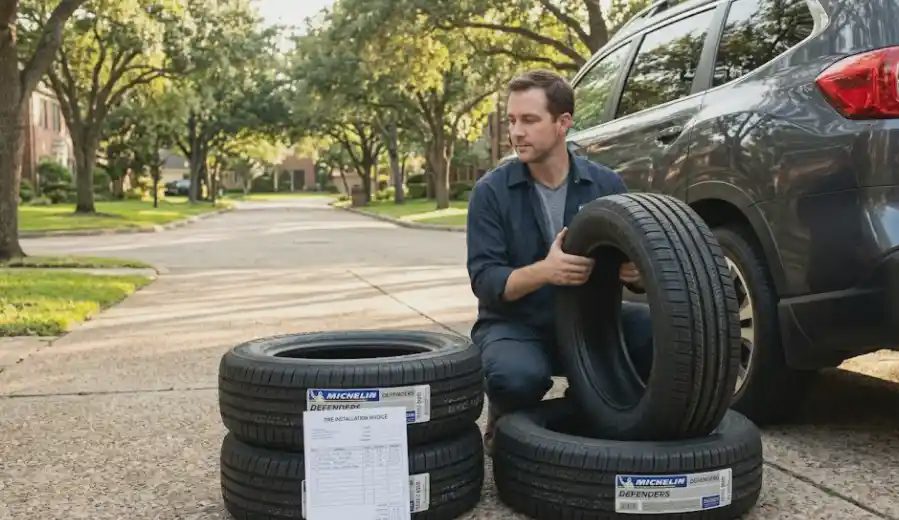
Routine maintenance isn't a hidden cost, but its actual expense is often a mystery. Many car owners are shocked at their first tire replacement. A decent set of all-season tires, including installation, costs $600 to $900, and typically needs replacement every 40,000 to 60,000 miles. Brake pads and rotors will eventually cost another $400 to $600 per axle. And if you keep the car long enough, an unexpected replacement—alternator failure or cooling system leak—can easily exceed $1,000. Beneath the rhythm of regular oil changes lurks a wave of more irregular, larger expenses.
Loan Interest and Depreciation: Silent Wealth Killers
Low monthly payments stretched to 72 or 84 months look tempting at first glance, but you won't think so once you calculate the total interest. A $30,000 loan at 7% interest for 72 months will cost nearly $7,000 in interest alone. That money buys you nothing but time. Depreciation hides even deeper. A new car can lose half its value in the first five years. Depreciation doesn't require you to write a check, but when you sell or trade in the car, the vanished equity will severely impact your next purchase.
How to Budget for These Expenses
Use the table below to turn these hidden costs into visible budget items. The figures are based on annual estimates for a typical compact sedan buyer in the suburbs.
Hidden Cost | Estimated Annual Range | Notes |
|---|---|---|
Sales Tax (One-time) | $900–$3,000 | Varies by state, paid at purchase |
Annual Registration & Fees | $50–$250 | Some states add property tax |
Parking & Tolls | $300–$2,000 | Higher in cities, lower in rural areas |
Tire Replacement (Amortized) | $150–$250 | Spread over 3–5 years |
Brake Replacement (Amortized) | $100–$200 | Depends on driving habits |
Unexpected Repairs | $300–$800 | Set aside buffer annually |
Loan Interest (Annual) | $800–$1,200 | Decreases yearly as principal is paid |
Depreciation (Annual) | $2,500–$4,500 | Highest loss in first three years |
These numbers aren't on the window sticker, but they're real. Factoring them into your budget before buying gives you a more accurate picture of what that car will actually cost year after year. Financial regret often begins with expenses that were never truly hidden—just overlooked. Now you know where to look.