
How Much Does It Really Cost to Own a Car in the United States?
A car with a $30,000 price tag costs more than just $30,000. Over five years, that same vehicle can easily take $45,000 or more from your bank account. The gap between the purchase price and the true cost often catches first-time buyers off guard. Here's a precise breakdown of where your money goes every month and every year.
The Never-Ending Monthly and Annual Expenses
AAA estimates the average annual cost of owning a new car exceeds $12,000, including depreciation, loan interest, fuel, insurance, maintenance, and various fees. That works out to about $1,000 per month. Depreciation alone accounts for roughly 40% of the total, with fuel, insurance, and maintenance making up the rest of the major costs.
Used cars do save money, but the advantage isn't as dramatic as many people think. A well-maintained 3-year-old vehicle might bring the annual figure down to around $8,000. Its biggest benefit is that someone else has already absorbed the steepest depreciation of the first few years.
Fuel, Insurance, Maintenance, and Depreciation
Fuel is an expense you feel every week. At $3.50 per gallon with 25 mpg combined fuel economy, driving 15,000 miles annually costs about $2,100 in fuel. Switch to a highly efficient hybrid getting 45 mpg, and that figure drops to about $1,170. Fuel alone makes a difference of nearly $1,000 per year.
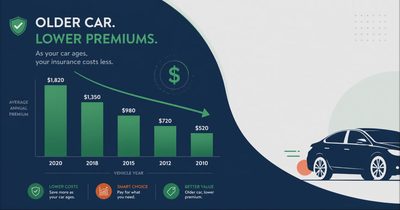
Insurance premiums vary enormously based on age, location, credit history, and the vehicle itself. A new compact sedan for a driver in their 30s might cost $1,200 annually to insure. A sports coupe or full-size pickup can easily double that. Before signing any contract, get quotes from insurance companies with the specific VIN.
Maintenance and repairs start small and grow over time. A new car's first three years only require oil changes, tire rotations, and maybe a brake pad replacement. Budget $600 to $800 annually for routine maintenance. Once the warranty expires, a single major repair could cost thousands of dollars.
Depreciation is the silent cost. A new car typically loses 20% to 30% of its value in the first year, then about 15% each year for the next four years. You don't write a check for depreciation, but you feel it when you sell or trade in the car.

Expenses Beginners Often Overlook
Sales tax and registration fees hit immediately. Depending on your state, sales tax on a $30,000 new car could range from $900 to over $2,500. Annual registration renewal adds another $50 to $200 or more. Some states also levy an annual personal property tax on vehicles.
Parking is another expense that adds up quickly, especially in urban areas. Downtown parking garage monthly rates can run $150 to $400. Even in the suburbs, tolls and occasional parking fees nibble away at your monthly budget.
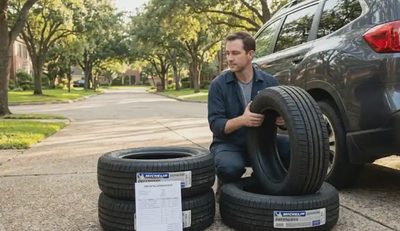
Tire replacement also catches car owners by surprise. A set of four decent quality all-season tires, including installation, costs $600 to $900 and typically needs replacing every 40,000 to 60,000 miles.
How to Estimate Your True Total Cost of Ownership
Start with a simple formula. Add up your estimated annual fuel costs, insurance premiums, maintenance budget, total annual loan payments if financed, and estimated annual depreciation. Add in taxes, registration fees, and a small buffer for unexpected repairs. Divide by 12 for your true monthly cost.
Here's what the annual bill looks like for a new compact sedan: $1,800 fuel, $1,300 insurance, $700 maintenance, $5,400 annual loan payments, $3,500 depreciation, $600 taxes and fees. Total of about $13,300, or roughly $1,110 per month.
Use the table below to compare typical annual expenses across different vehicle types.
Expense Category | Compact Sedan (New) | Midsize SUV (New) | 3-Year-Old Used Sedan |
|---|---|---|---|
Fuel (15,000 miles/year) | $1,800 | $2,500 | $1,800 |
Insurance | $1,300 | $1,500 | $1,100 |
Maintenance | $700 | $900 | $1,000 |
Annual Loan Payments | $5,400 | $6,600 | $3,600 |
Depreciation | $3,500 | $4,800 | $2,200 |
Taxes and Fees | $600 | $800 | $400 |
Annual Total | $13,300 | $17,100 | $10,100 |
A midsize SUV costs nearly $4,000 more per year than a compact sedan. A 3-year-old used sedan saves over $3,000 annually compared to the same model new. These numbers make the trade-offs crystal clear.
Owning a car is the second-largest expense for a typical American household after housing. Understanding your true monthly and annual figures before buying is the simplest way to avoid financial regret. The math isn't hard—the only thing you need to do is actually do it.



No signals yet — transmit the first.