

Walk through any American parking lot and you will see SUVs everywhere. They have become the default family vehicle. But the sedan still holds a quiet advantage in several areas that impact your wallet and your daily comfort. The right pick depends on your actual routine, not parking-lot trends.
Space, Fuel Economy, and Driving Feel
On paper, an SUV gives you more cargo volume and a higher seating position. The elevated view helps many drivers feel more confident in traffic. But that height comes with a weight penalty. A typical midsize SUV weighs 400 to 800 pounds more than a comparable sedan. That extra mass translates directly into lower fuel economy and longer braking distances.
A sedan sits lower to the ground, which means a smoother ride on paved roads and noticeably less body lean in corners. The trunk is separate from the cabin, so noisy cargo does not intrude on passenger comfort. The driving experience in a sedan generally feels more connected and composed because the center of gravity sits lower.
When it comes to measurable space, the table below gives a realistic comparison using typical non-luxury midsize models.
Everyday Need | SUV Advantage | Sedan Advantage |
|---|---|---|
Cargo volume (rear seats up) | 35–40 cubic feet typical | 15–16 cubic feet typical |
Combined fuel economy | 24–28 mpg typical | 30–36 mpg typical |
Highway ride comfort | Good, slight body sway | Excellent, planted feel |
Parking ease | Harder in tight urban lots | Easier, shorter length |
Rear-seat passenger room | Similar | Similar |
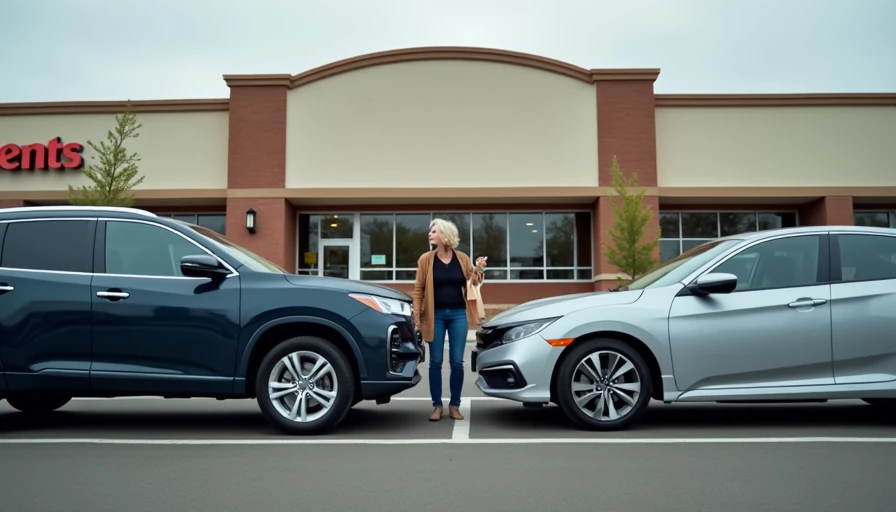
The numbers tell a clear story: SUVs win on cargo space, sedans win on fuel and handling. One is not universally better. They simply serve different priorities.
Family and Commuting Needs
If your daily routine involves dropping kids at school with backpacks and sports gear, the SUV’s tall cargo area and wide rear door openings make loading easier. Rear-facing child seats are also simpler to install when you do not have to bend down as far.
But if your commute is mostly highway miles with one person in the car, a sedan’s superior fuel range and quieter cabin add up to a more pleasant and less expensive daily drive. Sedans also offer lower step-in height, which matters if you have elderly parents or anyone with limited mobility who rides along regularly.
Which One Costs Less to Own?
Fuel consumption is the most obvious difference. For 15,000 miles driven annually, a sedan averaging 33 mpg burns roughly 100 fewer gallons of gas each year than an SUV with a 26 mpg average. At $3.50 per gallon, that equates to an annual fuel savings of $350.
Upfront pricing has also shifted. Many compact SUVs now start within $2,000 of a comparable sedan, so the purchase price gap has narrowed. However, insurance, tires, and brakes still tend to cost less on sedans because they are lighter and less expensive to repair. The total cost of ownership over five years usually favors the sedan by a few thousand dollars, all else being equal.
Which Is Better for Typical U.S. Driving Scenarios?
For a suburban family with two kids, a dog, and regular road trips, a midsize SUV is the practical fit. The cargo flexibility and available all-wheel drive handle weekend adventures and inclement weather with ease. For a single commuter or a couple living in a city with tight parking, a sedan makes daily life easier and keeps more money in the bank.
The question is not which vehicle type is better. The question is which one matches the life you actually drive every day. Choose the car that fits 90 percent of your routine, and you will be happy with it long after the test drive ends.