
Cars are designed to last longer than ever - a well-maintained vehicle can easily cross 200,000 miles without major repairs. But longevity isn't just about scheduled maintenance. It's the small, consistent habits you build as a driver that make the biggest difference over time. Here are the simple car care practices that separate a car that runs like new at 150,000 miles from one that's wheezing at 80,000.

Daily and Weekly Habits That Cost Nothing
Most car damage doesn't happen in a single catastrophic event - it accumulates through hundreds of small, unnoticed moments. The good news is that preventing this type of wear costs nothing.
Give your car 30 seconds after a cold start before driving off. Modern engines don't need lengthy warm-ups like carbureted classics did, but those first 30 seconds allow oil to circulate to the top end of the engine. What you shouldn't do is idle for 10 minutes on a cold morning - that just wastes fuel and dilutes your oil with unburned gasoline. Start it, buckle up, adjust your mirrors, and go gently for the first few miles.
Pay attention to new sounds, smells, and sensations. A faint squeak when you brake might be a $100 pad replacement today - ignore it, and it becomes a $600 rotor job in three months. A sweet smell from the vents could be a heater core leak that'll strand you. A slight pull to one side might be an alignment issue that's destroying your tires. Your car talks to you constantly; the drivers whose cars last longest are the ones who listen.
Check your tire pressure once a month and before long trips. Underinflated tires don't just waste gas - they overheat at highway speeds and can blow out catastrophically. The correct pressure is on a sticker in your driver's door jamb, not the number on the tire sidewall. Do this check when the tires are cold for an accurate reading.
How You Park and Start Matters More Than You Think
The way you park and shut down your car affects components you rarely think about - until they fail.
Use your parking brake every single time you park, even on flat ground. It distributes the car's weight off the transmission's parking pawl - a small metal pin that can break if it's the only thing holding your car on a slope. Regular use also keeps the parking brake cable from seizing up from disuse.
Turn off accessories before shutting off the engine. Switch off the AC, radio, and headlights before you turn the key. When you start the car next time, the starter motor and battery won't have to fight the extra electrical load of accessories that were left on. This is especially important in cold weather when your battery is already working harder.
Avoid turning the steering wheel while stationary. Dry steering - turning the wheel when the car isn't moving - puts enormous stress on the steering rack, tie rods, and tires. Always be rolling, even at a crawl, before you turn the wheel. Parking lots are where this habit pays off most.
Easily Overlooked Wear Items That Deserve Attention
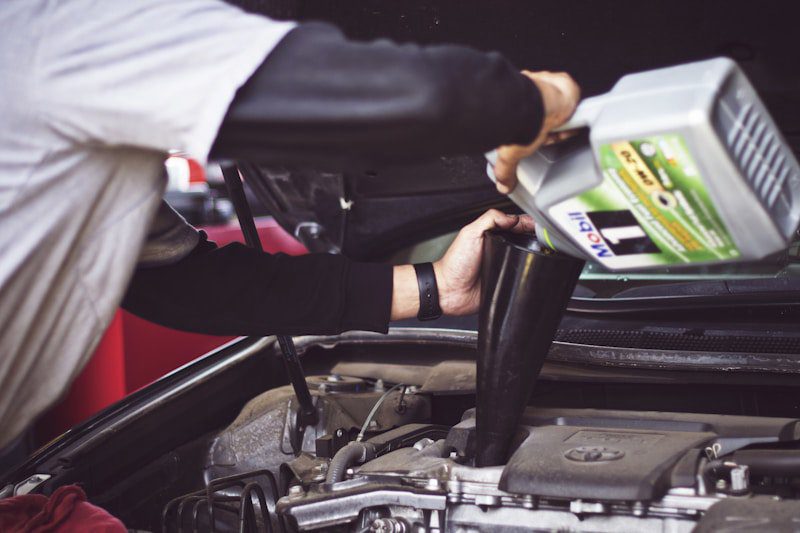
Everybody knows to change the oil. But there's a list of less glamorous components that quietly degrade and cause cascading problems when ignored.
Rubber components are your car's ticking clock. Hoses, belts, bushings, and seals all deteriorate with time, heat, and ozone exposure - not just mileage. A serpentine belt that looks fine at 80,000 miles might snap without warning at 82,000, taking your alternator and water pump offline simultaneously. Have belts and hoses inspected at every oil change, and budget to replace them preventively around the mileage your owner's manual recommends.
Cabin air filters are the most neglected item on most cars. A clogged filter doesn't just make your AC blow weak - it forces the blower motor to work harder, which can lead to an expensive replacement. Change it every 15,000 to 20,000 miles or once a year. The filter itself costs around $15 and takes five minutes to swap on most vehicles.
Brake fluid is hygroscopic - it absorbs moisture from the air over time. Water in your brake fluid lowers its boiling point, which can cause brake fade during hard stops. Most manufacturers recommend replacing brake fluid every two to three years regardless of mileage. It's one of the cheapest preventive services (usually under $100) with one of the biggest safety payoffs.
Door and sunroof seals need occasional attention. Wipe them down with a rubber protectant once or twice a year to prevent drying, cracking, and the water leaks that follow. A $10 bottle of rubber conditioner can save you from a $500 interior water damage repair.
Long-Term Storage - Protect It While It Sits
A car that sits unused for weeks or months degrades faster than one driven regularly. If you're storing a vehicle - whether it's a seasonal sports car, a vacation-home runabout, or you're traveling for an extended period - take these steps.
Fill the gas tank and add fuel stabilizer. A full tank leaves no room for condensation, which can rust the inside of a metal tank and contaminate your fuel. Fuel stabilizer prevents gasoline from breaking down into varnish-like deposits that clog injectors and fuel lines. Run the engine for a few minutes after adding stabilizer to circulate it through the entire system.
Use a battery tender, not just a disconnect. A disconnected battery still self-discharges over time, and a fully discharged lead-acid battery can freeze and crack in cold weather. A smart battery tender (also called a float charger) monitors the battery's charge and tops it off only when needed. They cost around $30 and can double your battery's lifespan.
Overinflate the tires slightly to prevent flat-spotting. Add about 5 to 10 psi above the normal recommendation. The higher pressure keeps the tire's shape during long periods of sitting. Just remember to bleed them back to normal pressure before driving.
If storing outdoors, use a breathable car cover. Avoid plastic tarps - they trap moisture against the paint and can cause more harm than good. A quality fabric cover lets condensation escape while protecting against UV rays, bird droppings, and tree sap.
None of these habits requires mechanical skill or a big budget. They're about awareness and consistency - noticing small changes, doing the five-minute checks, and treating your car like the long-term investment it is. Build these routines now, and your future self will be driving a car that still feels tight, quiet, and dependable long after its peers have been sent to the scrapyard.
No signals yet — transmit the first.