
For the first time, both battery electric vehicles (EVs) and hybrids are mainstream options. But they serve different needs. EVs promise zero gasoline and low maintenance, while hybrids offer flexibility without range anxiety. Which one aligns with how you actually drive?
Use Scenario Comparison
Hybrids work like a traditional gasoline car that uses an electric motor to boost efficiency. You never plug them in. They excel in mixed driving—city stop-and-go recaptures energy through regenerative braking. On the highway, the gasoline engine does the heavy lifting. This makes them ideal for renters, apartment dwellers, and anyone who drives long distances unpredictably.
EVs are at their best when you have a predictable daily route and access to overnight charging. A commute under 100 miles round-trip fits perfectly. They are whisper-quiet, quick off the line, and have no tailpipe emissions. But towing, regular long-haul road trips, or living in an area with limited public charging can turn an EV into a logistical puzzle.
Charging and Refueling
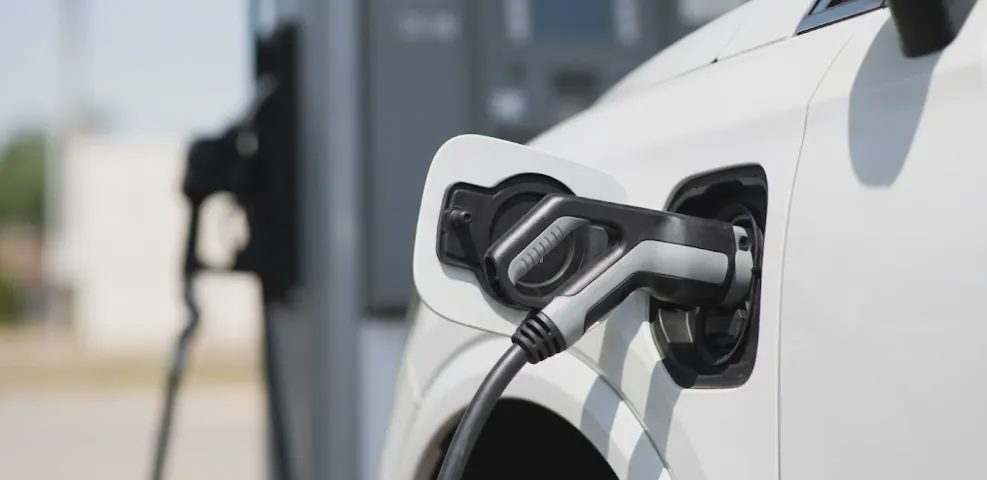
The biggest day-to-day difference is how you “fill up.” A hybrid stops at any gas station for five minutes and goes. An EV requires planning. At home with a Level 2 charger, you wake up to a full battery. On the road, DC fast chargers can take 20 to 40 minutes to reach 80 percent, longer in cold weather. Public charging networks have improved, but in rural areas gaps remain.
Consider this mental model: if refueling convenience is your top priority, a hybrid or plug-in hybrid is the safer bet. If you have a garage or dedicated parking with a charger, an EV’s daily routine feels effortless.
Purchase and Long-Term Costs
Purchase prices remain higher for EVs despite recent drops. However, federal tax credits, state rebates, and lower operating costs can narrow the gap over time. Electricity is cheaper per mile than gasoline, and EVs skip oil changes, spark plugs, and transmission service. Brake wear is reduced thanks to regenerative braking.
Hybrids cost more than their pure gasoline counterparts but much less than EVs upfront. Maintenance is still required, though less often than conventional cars. Their battery packs are smaller and cheaper to replace if ever needed. For budget-focused buyers, hybrids often deliver the quickest return on investment through fuel savings without the high initial cost.
The table below breaks down the key differences.
Factor | EV | Hybrid |
|---|---|---|
Refueling/Charging | Home or public charger, 20 min–8+ hours | Any gas station, ~5 minutes |
Range | 200–350 miles typical | 500–600 miles per tank |
Maintenance | Very low (no oil changes, fewer moving parts) | Low (less brake wear, standard engine care) |
Upfront Cost | Higher, but tax credits available | Moderate, close to gasoline models |
Best For | Homeowners with predictable commutes | Renters, road trippers, mixed urban/highway |
Who Should Choose What
Pick an EV if you own your home or have a reliable charging spot, your daily drive is under 150 miles, and you appreciate a quiet, responsive powertrain. Pick a hybrid if you live in an apartment, regularly take long road trips, or want the lowest entry price without compromising on fuel efficiency.
Neither choice is universally better. The right answer depends entirely on where you park tonight and where you’re driving tomorrow.

No signals yet — transmit the first.