If you're shopping for the **best large SUV for families**, you already know the stakes: you need three rows of seats, serious cargo space, and safety features that go beyond the basics. A large SUV is a big investment—both in upfront cost and daily fuel—but when you get it right, it pays off in convenience and peace of mind. In this guide, we'll walk through the top contenders for 2025, what makes them tick, and how to pick the one that fits your family's lifestyle.
Why a Large SUV Makes Sense for Families
Minivans are practical, but many families prefer the towing capacity, off-road capability, and commanding driving position of a full-size SUV. Modern large SUVs also offer advanced safety tech like automatic emergency braking, lane-keeping assist, and surround-view cameras—features that matter when you're hauling the kids and their friends. Plus, with seating for up to eight or nine, you can bring the grandparents along or carpool for soccer practice. The trade-off is lower fuel economy, but for many families, the utility outweighs the gas station visits.
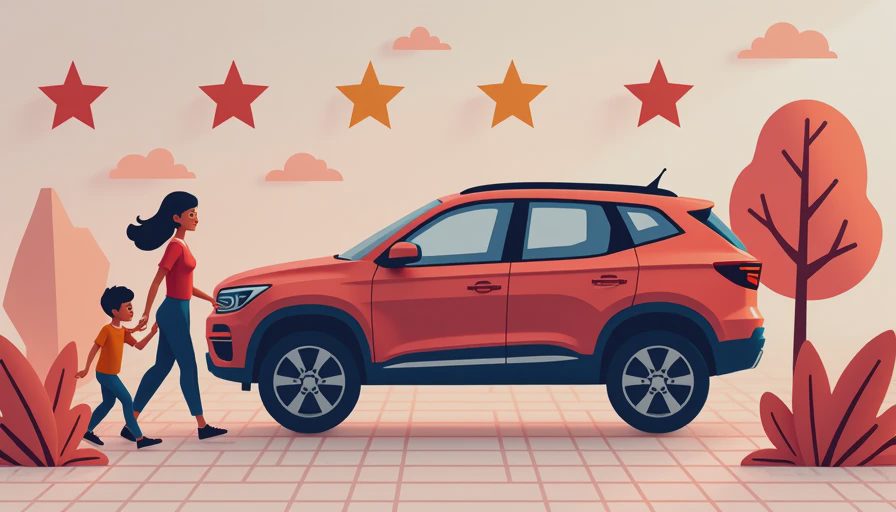
Top Large SUVs for Families in 2025
When we talk about the **best large SUV for families**, a few models consistently rise to the top. Here are our picks, based on safety ratings, interior space, reliability, and real-world value.
Chevrolet Tahoe and Suburban
The Chevy Tahoe (and its longer sibling, the Suburban) has been a family favorite for decades. The current generation offers independent rear suspension, which dramatically improves ride quality—no more bouncing around in the third row. Cargo space behind the third row is class-leading: 25.5 cubic feet in the Tahoe, 41.5 in the Suburban. Prices start around $58,000 and can climb to $80,000 for a loaded High Country trim. Both models earned top safety scores from IIHS and NHTSA.
Ford Expedition
Ford's Expedition is another strong contender. It comes with a twin-turbo V6 that delivers 400 horsepower—plenty for merging and towing up to 9,300 pounds. The interior is spacious, with an optional 15.5-inch touchscreen running the latest Sync 4 system. The MAX version adds length for even more cargo capacity. Pricing starts around $57,000 and goes up to $85,000. One standout feature: the available hands-free driving mode (BlueCruise) is great for long highway trips.
Toyota Sequoia
The redesigned Toyota Sequoia (2023 onward) is built on the Tundra truck platform, so it's rugged and reliable. It comes exclusively with a hybrid powertrain, giving it the best fuel economy in this class—around 21 mpg combined. The interior is modern but not as cavernous as the Chevrolet or Ford; cargo space behind the third row is only 11.5 cubic feet. Still, Toyota's reputation for durability makes it a smart choice for families planning to keep the vehicle for a decade. Prices range from $60,000 to $76,000.
Nissan Armada
Nissan's Armada got a refresh for 2024, with a new 13.8-inch touchscreen and improved safety tech. It runs on a 5.6-liter V8 that returns 400 horsepower. The cabin is plush, especially in the Platinum Reserve trim, but third-row legroom is tighter than the Tahoe or Expedition. Starting price is around $56,000, topping out near $75,000. The Armada also offers a lower starting price than many competitors, making it a value pick.

What to Look for in a Family SUV
Beyond the brand badge, focus on these factors when choosing the **best large SUV for families**:
- **Safety ratings** — Check the IIHS Top Safety Pick+ and NHTSA five-star ratings. Most large SUVs do well, but some trims have different headlight ratings.
- **Third-row access** — Can you easily get a car seat in and out? Models with tip-and-slide second-row seats are much easier.
- **Cargo space behind the third row** — If you regularly haul strollers or sports gear, you need at least 20 cubic feet. The Suburban and Expedition MAX lead here.
- **Tow rating** — If you pull a boat or camper, look for 7,000+ pounds capacity. Most V8 or turbo V6 models handle that.
- **Fuel economy** — Large SUVs typically get 15–20 mpg. The Toyota Sequoia hybrid is the efficiency champ.
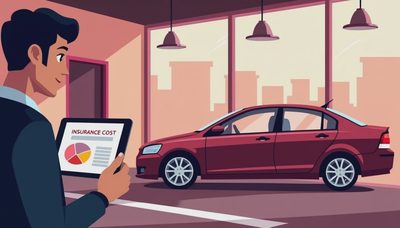
- **Insurance costs** — Large SUVs aren't cheap to insure, but rates vary. Get quotes before buying; a model like the Honda Pilot (though mid-size) might be cheaper, but in this class, the Chevy Tahoe often has competitive premiums.
How to Save on Insurance for a Large SUV
Full-size SUVs are expensive to repair, so insurance isn't cheap. But you can lower your premium by:
- Bundling home and auto with the same carrier
- Increasing your deductible from $500 to $1,000
- Asking about safety device discounts (if your SUV has anti-theft or advanced driver aids)
- Shopping around every year—loyalty rarely pays in auto insurance
For example, a 2025 Chevy Tahoe might cost $1,600–$2,400 per year to insure, depending on your location and driving record. Compare quotes from Geico, Progressive, State Farm, and Erie Insurance for the best rates.
Final Verdict: Which Large SUV Is Best for Your Family?
There's no single **best large SUV for families**—the right choice depends on your priorities. If you need maximum cargo space and towing capability, the Chevy Suburban or Ford Expedition MAX are hard to beat. For the best fuel economy and long-term reliability, the Toyota Sequoia hybrid stands out. If you're on a tighter budget, the Nissan Armada offers a lot of luxury for less money. Whichever you pick, take a test drive with the whole family, and don't forget to run the numbers on insurance and fuel before signing.
Frequently Asked Questions
**Q: Is a large SUV safer than a minivan for families?**
A: Both can be safe, but large SUVs typically have higher ground clearance and more mass, which can be beneficial in certain collisions. However, their higher center of gravity raises rollover risk. Look for models with electronic stability control and roll mitigation.
**Q: How many miles per gallon do large SUVs get?**
A: Expect 15–20 mpg combined. The Toyota Sequoia hybrid leads at 21 mpg, while V8 models like the Nissan Armada get around 16 mpg.
**Q: Can I fit three car seats across the second row?**
A: In most large SUVs, yes, but check the seat width. The Tahoe and Expedition can accommodate three car seats in the second row if you use narrow models like the Diono Radian.
**Q: What's the maintenance cost for a large SUV?**
A: Higher than a sedan due to larger tires, brakes, and fluid capacities. Expect annual maintenance of $800–$1,200 for the first few years.
With the right research, you'll find the **best large SUV for families** that keeps everyone comfortable, safe, and happy for years. Happy hunting!




No signals yet — transmit the first.